 1 hour ago
Introduction
As of March 2026, the Middle East is witnessing a significant escalation in conflict, marked by Iranian missile strikes on Israeli desert towns and a devastating attack on El-Daein Teaching Hospital in Sudan. These events have not only resulted in tragic loss of life and injuries but have also intensified geopolitical tensions, drawing global attention and condemnation. This article provides a comprehensive analysis of the recent developments, their broader context, and the potential pathways toward de-escalation and peace.
Context: A Region on Edge
The Middle East has long been a region fraught with complex political, religious, and ethnic tensions. The recent surge in violence is rooted in longstanding disputes involving Israel, Iran, Sudan, and various regional actors. The Iranian missile strikes on Israeli territory represent a continuation of the proxy conflicts and direct confrontations that have characterized the region for decades. These confrontations are often fueled by deep-seated ideological differences, territorial disputes, and competition for regional influence.
Meanwhile, Sudan remains embroiled in internal strife, with the attack on El-Daein Teaching Hospital underscoring the fragile security situation. Sudan has been grappling with armed conflicts between the Sudanese Armed Forces and the Rapid Support Forces, a paramilitary group with significant political and military influence. These clashes have destabilized the country, leading to widespread displacement, destruction of infrastructure, and a humanitarian crisis that has drawn international concern.
Core Developments
Iranian Missile Strikes on Israeli Desert Towns
In recent weeks, Iranian forces have launched multiple missile strikes targeting towns in the Israeli desert region, including areas near the Negev Desert. These attacks have caused significant casualties, including both civilian and military personnel, and have damaged critical infrastructure such as communication networks and energy facilities. The strikes are believed to be part of Iran's broader strategy to exert pressure on Israel and its allies, particularly in response to ongoing tensions over Iran's nuclear program and regional policies.
Israel's defense forces responded swiftly with airstrikes targeting Iranian-backed militia positions in neighboring territories, including Lebanon and Syria. The Israeli government has emphasized its commitment to protecting its sovereignty and citizens, warning that any further aggression will be met with decisive military action. The escalation has raised fears of a wider regional conflict, with analysts warning that miscalculations could lead to a full-scale war involving multiple countries.
Attack on El-Daein Teaching Hospital in Sudan
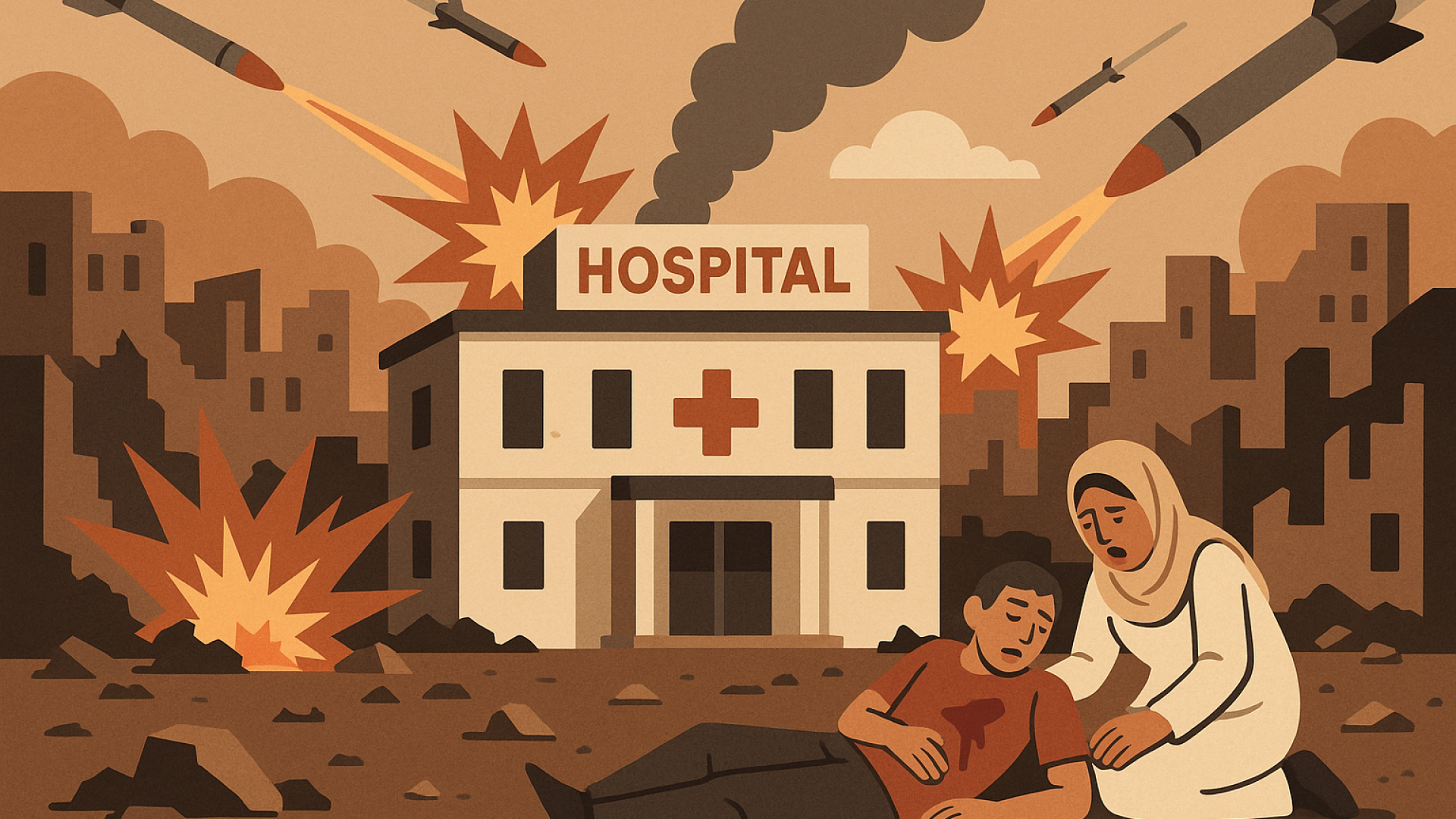
Simultaneously, Sudan has been rocked by a tragic assault on El-Daein Teaching Hospital, located in the capital of East Darfur state. According to the World Health Organization, at least 64 people were killed in the attack, which also left dozens injured. The hospital, a critical medical facility serving thousands of civilians, was reportedly shelled during intense fighting between rival factions.
The Sudanese army has denied involvement in the attack, attributing it to clashes between the Sudanese Armed Forces and the Rapid Support Forces. Both sides have accused each other of targeting civilian infrastructure, further complicating efforts to establish accountability. The incident highlights the devastating impact of the ongoing conflict on civilians and essential services, exacerbating the already dire humanitarian situation in Sudan.
Broader Implications
The escalation in the Middle East has far-reaching consequences beyond the immediate areas of conflict. The missile strikes and hospital attack have intensified humanitarian crises, displaced thousands, and strained international diplomatic efforts. The conflict risks drawing in neighboring countries and global powers, potentially destabilizing the broader region further.
In addition to the immediate human toll, these events have disrupted regional economies, particularly through damage to infrastructure and interruptions to trade routes. The instability has also affected global energy markets, as the Middle East remains a critical supplier of oil and gas. Rising tensions have led to increased volatility in prices, impacting economies worldwide.
Moreover, these events have sparked widespread protests and calls for peace from civil society groups and religious leaders. Notably, Pope Leo issued a statement condemning the violence, describing the war as a "scandal" to humanity and urging all parties to pursue dialogue and reconciliation. Such appeals underscore the universal desire for peace and the recognition of the profound human suffering caused by the conflict.
Global Reactions and Diplomatic Efforts
International responses have been swift and varied. The United Nations Security Council convened emergency sessions to address the escalating violence, issuing statements condemning attacks on civilians and calling for immediate ceasefires. Various countries, including members of the European Union, Russia, China, and the United States, have expressed concern and urged restraint from all parties involved.
The United States has reiterated its commitment to Israel's security while simultaneously calling for de-escalation and renewed diplomatic engagement. Washington has also pledged increased humanitarian aid to Sudan, working with international partners to support relief efforts. Meanwhile, regional organizations such as the Arab League and the African Union have sought to mediate between conflicting parties, though progress remains limited amid deep mistrust.
Humanitarian organizations are mobilizing to provide aid to affected populations, particularly in Sudan, where medical facilities are overwhelmed and access to basic necessities is severely restricted. Efforts include the deployment of emergency medical teams, distribution of food and water, and support for displaced persons. However, ongoing violence and logistical challenges continue to hamper relief operations.
Potential Solutions and Pathways Forward
- Diplomatic Engagement: Renewed peace talks involving key regional and international stakeholders are essential to address the root causes of the conflict and establish durable ceasefires. These negotiations must be inclusive, involving not only governments but also civil society representatives and marginalized groups to ensure broad-based support.
- Humanitarian Assistance: Increased support for medical and relief operations in conflict zones, especially in Sudan, is critical to mitigate the human suffering caused by violence. International donors should prioritize funding for health services, food security, and shelter for displaced populations.
- Conflict Resolution Mechanisms: Strengthening regional frameworks for conflict resolution and confidence-building measures can reduce the risk of further escalations. This includes establishing communication channels between rival factions and promoting dialogue to resolve disputes peacefully.
- International Monitoring: Deployment of neutral observers to monitor ceasefire agreements and ensure compliance by all parties can build trust and provide early warning of potential violations. Such monitoring should be supported by robust mandates and adequate resources.
- Addressing Underlying Issues: Tackling political grievances, economic disparities, and social injustices that fuel conflicts in the Middle East is vital for long-term stability. This involves promoting inclusive governance, economic development, and respect for human rights across the region.
Conclusion
The recent surge in violence in the Middle East, exemplified by Iranian missile strikes on Israeli towns and the tragic attack on El-Daein Teaching Hospital in Sudan, highlights the urgent need for comprehensive and sustained efforts toward peace and stability. While the challenges are formidable, coordinated international diplomacy, humanitarian support, and regional cooperation offer pathways to de-escalate tensions and prevent further loss of life.
The global community must remain vigilant and proactive in addressing these crises to foster a more secure and peaceful Middle East. This requires not only immediate responses to halt violence but also long-term commitments to resolving the underlying causes of conflict. Only through such concerted efforts can the cycle of violence be broken and a foundation for lasting peace be established in this volatile region.